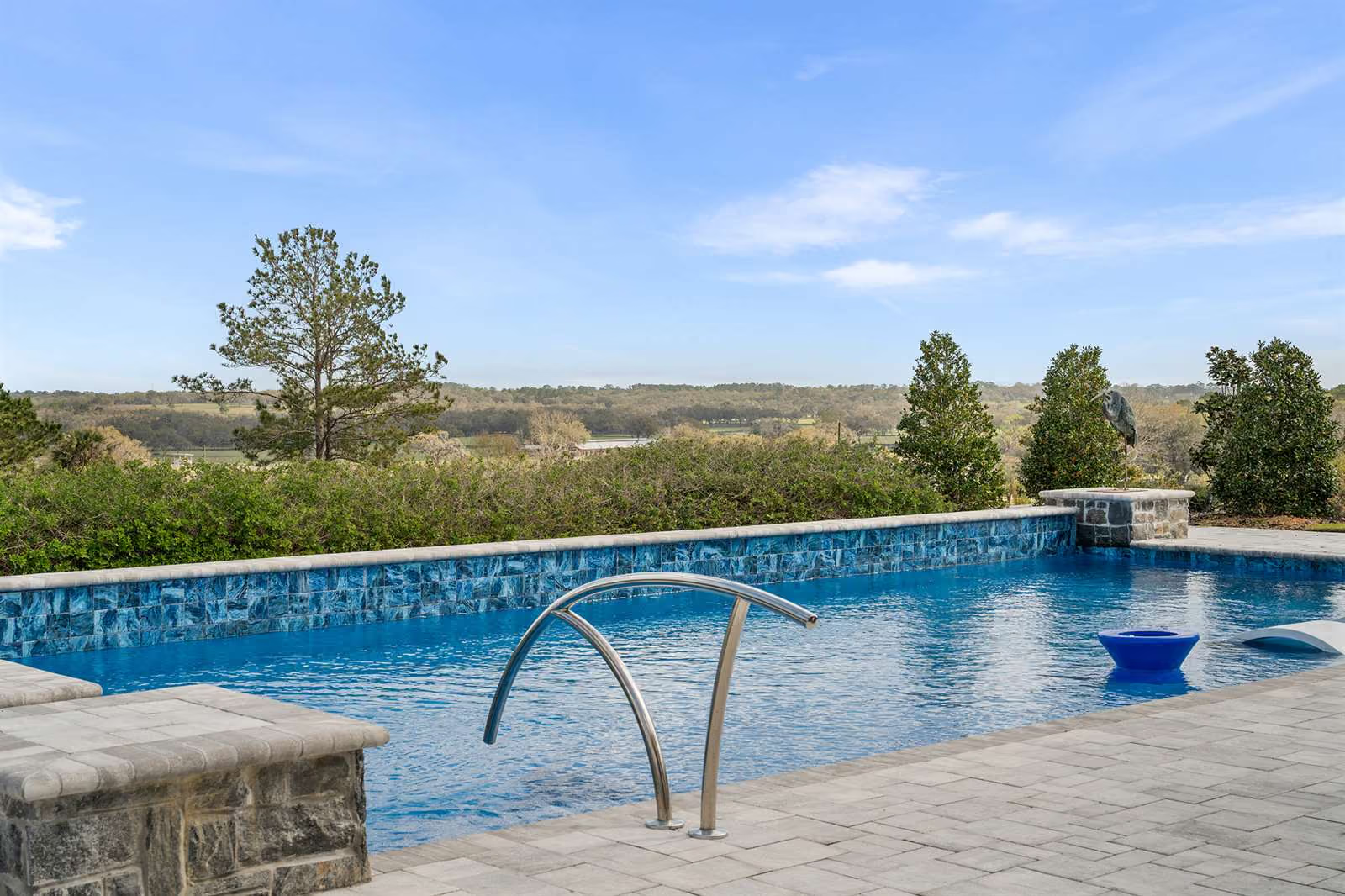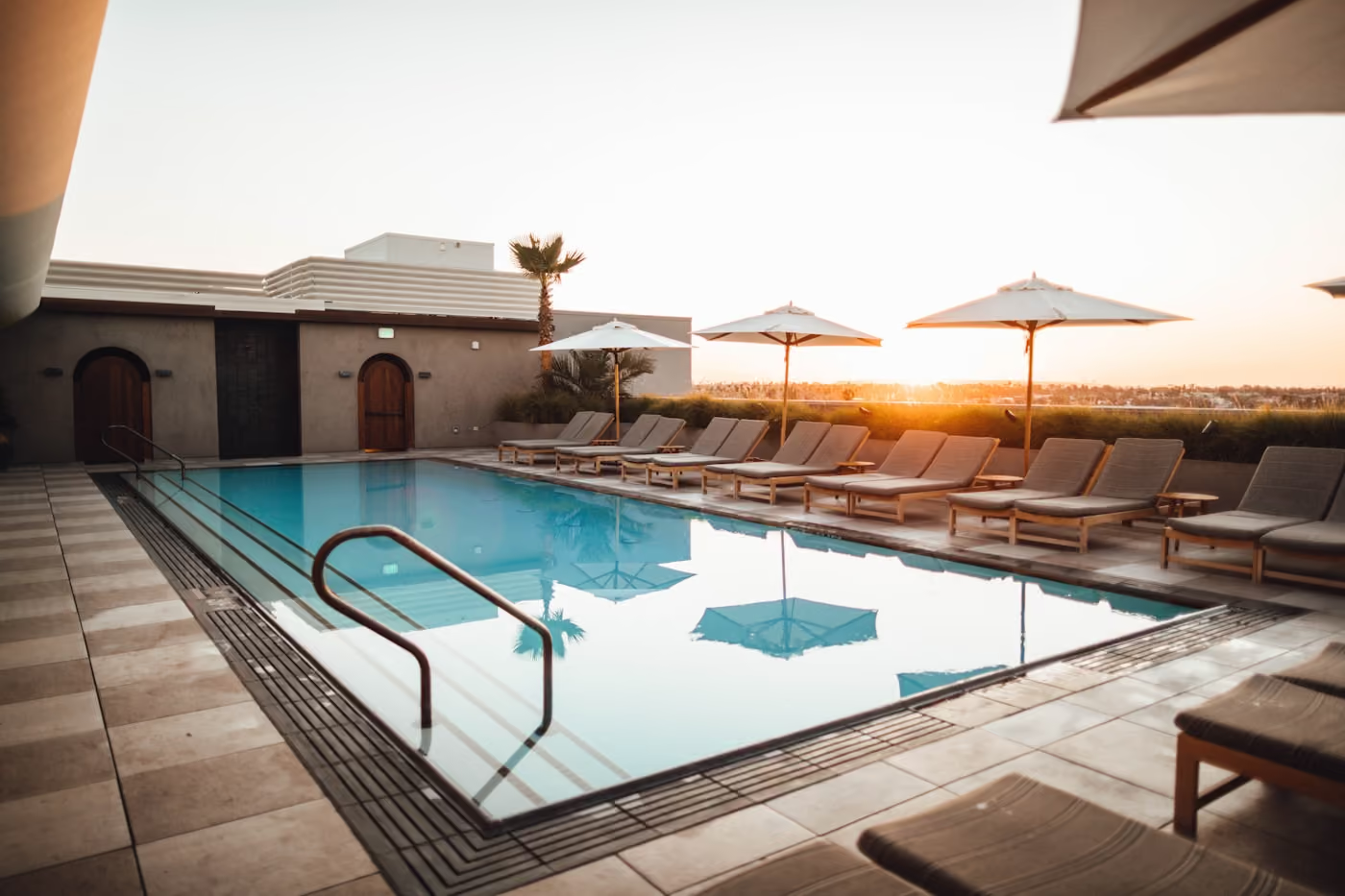

Florida pool owners get one question wrong almost every fall: do I even need to close my pool for the winter? The answer is yes, but the process looks nothing like what you would need to do up north. There's no draining, no blowing out lines, no pool cover sitting under three feet of snow. In Central Florida, closing a pool for winter is really about adjusting your maintenance routine so the water stays clean and the equipment stays protected through a few months of lighter use. Here's what that actually looks like.
Why Florida Winterizing Is Different
Most of the "how to close your pool" guides you'll find online were written for climates where freezing temperatures are a real threat. In Central Florida, hard freezes are rare and brief, so you don't need to drain your pool, remove the equipment, or install an air pillow under a safety cover.
What does happen here is that water temperatures drop into the 60s from roughly December through February. Algae grows more slowly in cooler water, but it doesn't stop. Evaporation slows too, which means chemicals build up differently than they do in the summer. Your pool isn't shutting down for winter. It's just shifting into a lower-maintenance mode, and if you don't adjust accordingly, you may come back to a green mess or damaged equipment next spring.
Step-by-Step: What to Do Before November Hits
Start with a full water chemistry check. Before you reduce your maintenance frequency, you want the water balanced correctly, because any imbalance will sit and amplify over weeks instead of getting corrected at your next weekly visit. Target a pH between 7.4 and 7.6, alkalinity between 80 and 120 ppm, and calcium hardness between 200 and 400 ppm. If your cyanuric acid (stabilizer) level has crept above 80 ppm over the summer, that's worth addressing before winter sets in.
Once chemistry is dialed in, give the pool a thorough brush and vacuum. Clean the filter, check the skimmer and pump baskets, and run the pump long enough to circulate the water fully before you change your schedule.
Reduce your pump run time, but don't cut it to zero. Running the pump six to eight hours a day during cooler months is usually enough to maintain circulation. Dropping below that puts you at risk for stagnant spots where algae takes hold.
If you use an automatic pool cleaner, this is a good time to check the wear parts. Debris from fall oak and pine trees tends to pick up in October, and a struggling cleaner will leave material on the bottom that feeds algae growth through the winter.
What to Do If a Cold Snap Is Coming
Central Florida does get occasional nights in the upper 20s or low 30s, usually in January. When that happens, run your pump continuously through the night. Moving water resists freezing far better than still water, and most residential pool equipment can handle brief cold if it stays circulating.
If your pump or any equipment has been showing signs of trouble, a freeze will expose it fast. Cracked pump housings, leaky valves, and failing seals that managed to limp through the summer often give out under the stress of a cold snap. If you've noticed anything off with your equipment, it's worth getting it looked at during pool equipment repairs before you're dealing with an emergency on a freezing night.
Disconnect any portable accessories, solar heating panels, or hose attachments that don't need to be running. They're the most vulnerable to cold damage and the easiest to protect.
Ongoing Winter Maintenance (Don't Skip This Part)
Winterizing in Florida doesn't mean walking away until spring. You still need to check the water chemistry every two weeks, skim the surface regularly, and empty baskets when they fill with leaves. If you're running the pump on a reduced schedule, check that the timer is actually operating and not stuck.
Most algae problems that show up in March didn't start in March. They often start in December when pool owners assume the cool weather is doing all the work for them. The seasonal pool care basics don't change in the winter, they just require less time per visit.
If you'd rather hand off this routine during the slower months, our team at Splashworks handles residential pool cleaning across Central Florida year-round. We'll keep the chemistry in range, watch for anything unusual with the equipment, and make sure your pool is ready to go the moment you want it back. Reach out to us to talk through a winter service plan that fits your pool and your schedule.