
Many Ocala pool owners have the same question right now: “Can I stop maintenance for my pool now that it’s cooled off?" The answer is no. Ocala pools need a lighter routine in winter, not a skipped one. Water may stay looking clear through December, but algae, scale, and a tired pump can all do damage while nobody's in the pool. Cooler weather changes what you check and how often, and that's what we cover in this guide.
If you'd rather hand off your pool care this winter, our residential pool cleaning team handles the whole routine. If you're keeping your own pool in shape, here are some tips to help things go smoothly.
How Does Cool Weather Change Ocala Pool Care?
Cooler water slows algae and makes chlorine last longer, so most Ocala pools need less chemicals than in August. But the slowdown isn't a complete stop. Central Florida has warm spells in the middle of winter, and a stretch of 80-degree afternoons can wake algae up fast, especially if the water's been under-sanitized.
Leaves and pollen also keep coming. Skimmer baskets and pump baskets clog faster than most pool owners expect, and a clogged basket starves the pump of water. Check them weekly even when the pool looks clean.
Most Florida pools do best on weekly or bi-weekly service, and winter is a good time to talk about adjusting that schedule to your pool's size and usage rather than dropping it altogether.
What Should You Test For in Winter Water Chemistry?
Test chlorine (or your salt cell's output), pH, alkalinity, and stabilizer at least weekly. Cold water can hide problems, so a pool that looks fine can drift out of range without any visible warning.
- Chlorine: keep a steady residual. Lower demand doesn't mean zero.
- pH and alkalinity: these swing after heavy rain, which still happens during winter in Florida.
- Calcium hardness: Marion County water is hard, and scale builds quietly when nobody's watching. Learn more in our article on hard water and calcium scale in Ocala pools.
- Stabilizer: too much makes chlorine sluggish, so don't keep adding it out of habit.
Salt pools need the same attention. Salt cells make less chlorine in cold water, so check output regularly instead of assuming it's keeping up.
Which Equipment Should You Check Before Spring?
Run the pump, filter, and heater through a quick inspection now, while the pool's quiet. Listen for grinding or squealing at the pump, look for drips at fittings, and check the filter pressure gauge against its clean reading. A rising number usually means the filter needs cleaning.
Watch the water level too. If it keeps dropping more than you'd expect, that may point to a leak. Our leak detection service uses pressure and dye testing to find any leaks so they can be repaired.
Winter is also a good time to think about upgrades, since you're not racing against swim season. A variable-speed pump can cut energy use, and our equipment upgrades team can walk you through options. If something's already failing, equipment repairs are best done before the weather warms and every pool in town is running full time.
Do Commercial Pools Need Different Winter Care?
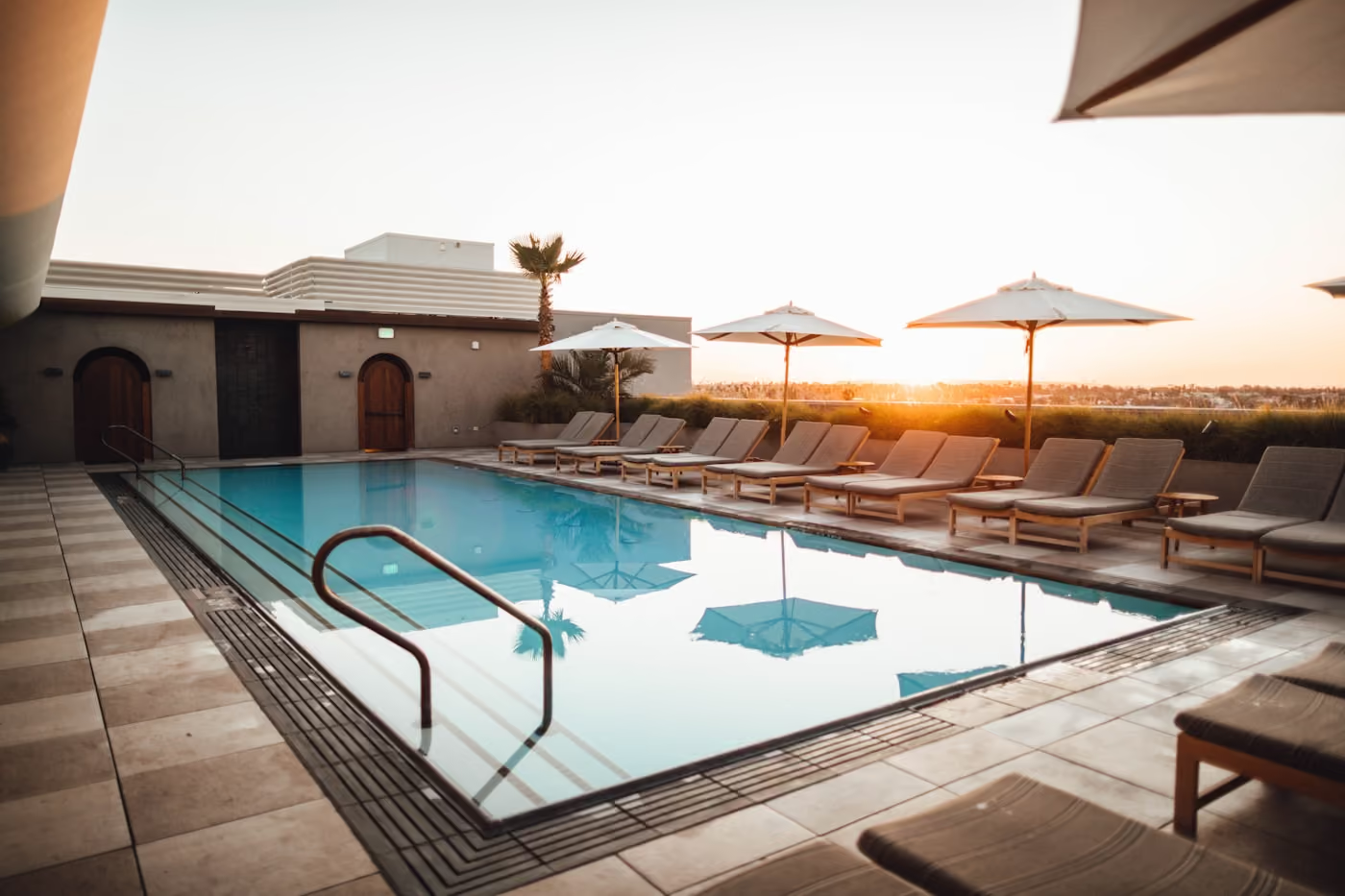
Yes, they usually need more attention, not less. Pools at hotels, HOAs, apartment buildings, and fitness centers keep getting used through the winter, so chemistry and equipment checks can't relax. Our commercial pool cleaning service covers all of these properties and can be tailored to meet your specific needs.
Keep Your Ocala Pool Ready Without the Guesswork
Splashworks serves homes and businesses across Ocala and the surrounding counties. To set up service or to ask questions about your pool, give us a call or send us a message. It helps to have details prepared: your address, pool size, whether your pool is salt or chlorine, and whether the water is blue or green.